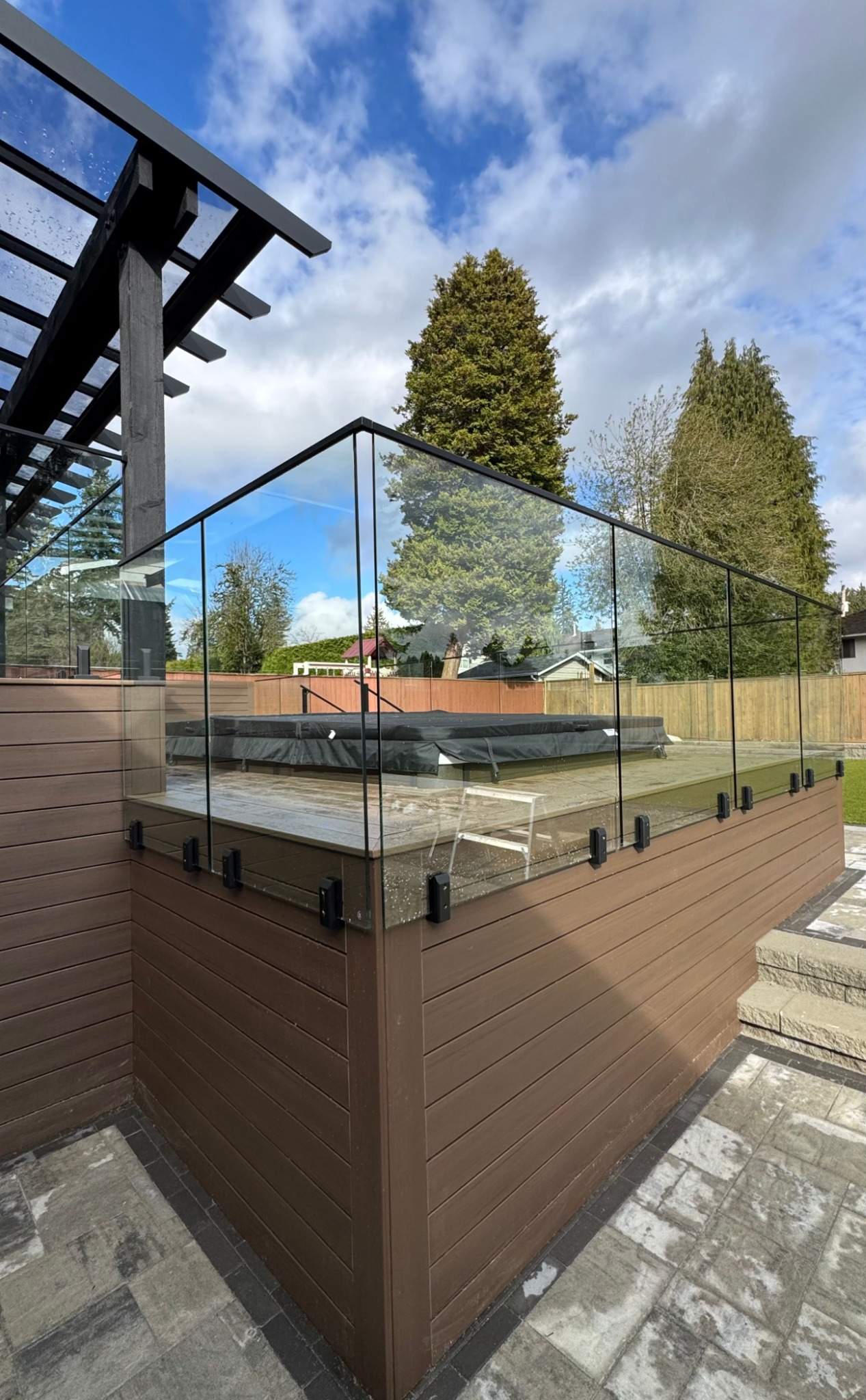
Which Is Best for Wet West Coast Weather, Composite vs. PVC Decking?
Here on the West Coast, the weather plays a big role in how outdoor spaces are built. In places like Coquitlam, Pitt Meadows, and Maple Ridge, decks see a lot of rain, moisture, and seasonal changes. Because of that, the materials you choose matter just as much as the design itself. Homeowners often ask me about the difference between composite and PVC decking, especially when they want something durable that won’t require constant upkeep.
Both materials are a big step up from traditional wood when it comes to handling wet conditions. They’re designed to resist rot, warping, and the kind of moisture damage that can shorten the life of a deck. But even though they’re similar in some ways, they each have their own strengths depending on the project and the homeowner’s priorities.
Why Composite Decking Works Well in Our Climate
Composite decking has become a popular choice for many homeowners because it offers a good balance between durability and a natural appearance. It’s typically made from a blend of recycled wood fibers and plastic, which gives it a solid feel underfoot and a look that still resembles real wood. Many people appreciate that it has texture and warmth while still being low-maintenance.
In our West Coast climate, composite decking holds up well against moisture compared to traditional lumber. It doesn’t splinter, and it’s less likely to expand and contract dramatically with changing weather. Most modern composite boards also have protective outer layers that help prevent fading, staining, and surface damage over time.
From a builder’s perspective, composite works nicely for homeowners who want a natural-looking deck but don’t want to spend every summer sanding, staining, or sealing it. With the right deck installation and proper spacing for drainage, composite decks can perform very well in rainy conditions.
Where PVC Decking Has the Advantage
PVC decking takes moisture resistance a step further. Unlike composite, PVC boards are made entirely from plastic, which means they don’t absorb water at all. In areas where decks stay damp for long periods, this can be a real advantage.
Because there’s no wood content, PVC is extremely resistant to mold, rot, and long-term moisture damage. It’s also lighter in weight, which can make installation easier depending on the structure. Many PVC products now come with textured finishes and colour variations that give them a more natural look than earlier versions did.
Read More: Why Made by Mike Construction Recommends Trex Decking for West Coast Decks
That said, PVC has a slightly different feel underfoot and often comes at a higher price point. For some homeowners, that extra moisture resistance is worth it, especially if the deck is heavily exposed to rain or surrounded by shade where surfaces stay wet longer.
Choosing the Right Material for Your Deck
When homeowners ask me which option is better, the honest answer is that it depends on the space and how the deck will be used. Composite offers a warm, natural look and strong durability for most outdoor living spaces. PVC provides maximum protection against moisture and is a great choice when water exposure is a bigger concern.
The most important part is making sure the deck is designed and built properly from the start. Good framing, proper drainage, and thoughtful installation are just as important as the decking material itself. When those things are done right, both composite and PVC can perform very well in our West Coast climate.
If you’re considering a new deck or rethinking your outdoor space, it’s always worth starting with a conversation. Talking through ideas early helps shape a design that fits your home, your lifestyle, and how you actually want to use the space.